Roofing Insurance Claims in Omaha, NE
Storm Damage Roof Concerns & How We Help
After a hail or wind storm, many homeowners feel unsure about what their roof actually needs and how insurance fits into the picture. You may notice missing shingles, granules collecting in your gutters, bent flashing, or new water stains on ceilings and walls. At the same time, phone calls from insurance companies and roofing contractors may start coming in quickly. When you begin searching for roofing insurance claims in Omaha, you usually want straightforward answers and a calm, reliable plan, not confusion or pressure.
At Pinnacle Roofing, we work with homeowners and small property owners who want clarity after storm damage. We take the time to listen to what you experienced, inspect your roof and gutters carefully, and explain what the storm did to your property in plain language. Our role centers on helping you understand the condition of your roof and how that information supports productive conversations with your insurance company.
We operate locally in Omaha, and our roofing professionals hold proper licensing, bonding, and insurance. Our team focuses on honest evaluations, transparent pricing, and steady communication so you can make informed decisions about your roof and your claim without unnecessary stress.
Need roofing insurance claims in Omaha? Call us at (402) 518-5456 or send us a message online today!
Why Omaha Homeowners Trust Our Team With Insurance-Related Roofing Work
When insurance plays a role in restoring your roof, the quality of the inspection and the work that follows matters. Homeowners choose our team because we bring a level of technical knowledge and professionalism that goes beyond surface-level assessments. Pinnacle Roofing is locally owned by a Doctor of Philosophy in Construction Engineering, which shapes how we evaluate storm damage, structural performance, and long-term roof behavior.
Our team holds credentials such as LEED Accredited Professional status and manufacturer certifications from IKO, CertainTeed, and Malarkey. These certifications reflect ongoing training and a strong understanding of how roofing materials perform when installed correctly. For property owners, that means thoughtful material selection and careful installation when repairs or replacements relate to an insurance claim.
Trust also comes from how we treat people. We communicate openly, explain our findings clearly, and provide written estimates that make sense. Whether you own a single-family home or a small commercial building, we explain what your roof needs, why we recommend certain work, and how that work connects to insurance-related decisions.
Our Step-by-Step Approach to Roofing Insurance Claims
Handling roof damage while managing an insurance claim can feel overwhelming. We follow a structured process that keeps everything organized and easy to follow. While every roof and policy differs, our approach gives you a clear path forward.
Initial Call and Storm Damage Roof Inspection
We begin with a conversation. When you contact us, we ask about the storm, what you have noticed on the roof or inside the building, and any communication you already had with your insurer. This information helps us plan an inspection that focuses on your concerns.
During the on-site inspection, our team examines shingles, flashings, vents, gutters, and other roof components. We look for hail impact marks, wind-related lifting or creasing, missing materials, and signs of moisture intrusion. We document what we find with photos and detailed notes so you have a clear record of your roof’s condition.
Clear Findings and a Written Proposal
After the inspection, we review our findings with you. We explain which issues appear storm related, which reflect normal aging, and how those conditions affect roof performance. Our technical background allows us to explain the “why” behind our recommendations rather than relying on guesswork.
We then provide a written proposal that outlines the scope of work, materials, and pricing in clear terms. Many homeowners use this information while discussing coverage with their insurance company, as it helps them understand how recommended work compares with what the insurer discusses. Once coverage decisions are clearer, we schedule the roofing work and keep you informed from start to finish.
What to Do After Storm Damage Before Filing a Claim
The steps you take shortly after a storm can shape your overall experience. You do not need to handle everything at once, but a thoughtful approach can make conversations with your insurer easier.
Focus on Safety and Immediate Protection
Safety comes first. Avoid climbing onto the roof or walking on damaged surfaces. Instead, look for visible signs from the ground, such as missing shingles, dented gutters, debris on the roof, or water stains indoors. If active leaks appear, move belongings out of harm’s way and use buckets or plastic sheeting to limit additional damage.
Document What You See and Seek Professional Insight
Photos and short videos of exterior and interior damage can help you track changes and explain what happened. Capture images of shingle loss, hail marks on soft metals, and interior water stains. This documentation supports your understanding of the damage.
Many property owners schedule a professional storm damage roof inspection around the same time they contact their insurance company. An independent assessment from a local roofing professional helps you ask informed questions and understand the condition of your roof before coverage discussions move forward.
Need roofing insurance claims in Omaha? Call us at (402) 518-5456 or send us a message online today!
How Omaha Weather and Roofing Standards Affect Claims
Omaha weather often includes hail, strong winds, and heavy rain. These conditions can bruise shingles, loosen fasteners, remove protective granules, and damage flashing and gutters. Over time, this type of damage can shorten roof life or lead to leaks.
Local building practices and roofing systems also matter. Roofs in this area commonly use asphalt shingles, underlayments, and ventilation strategies designed for our climate. A roofer who works in Omaha understands how these systems respond to storms and how to evaluate damage accurately.
At Pinnacle Roofing, our training and engineering background help us distinguish between storm damage and normal wear. That distinction often plays a role in insurance conversations, as insurers focus on whether a storm caused functional damage. We explain our findings clearly so you understand how your roof performs and what it needs.
"Would gladly refer them!"The representative examined the roof, and then explained exactly what the problem was. The work was completed timely and at a very reasonable cost.
- Kurt C.
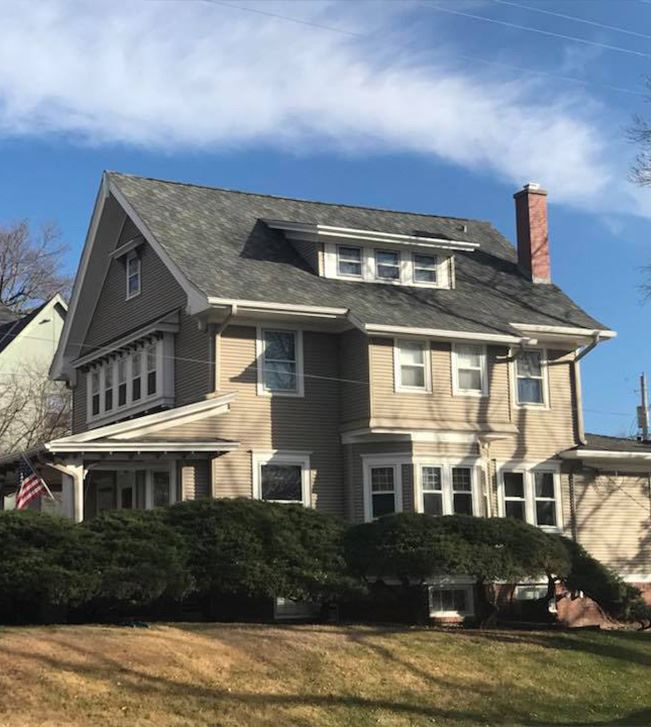
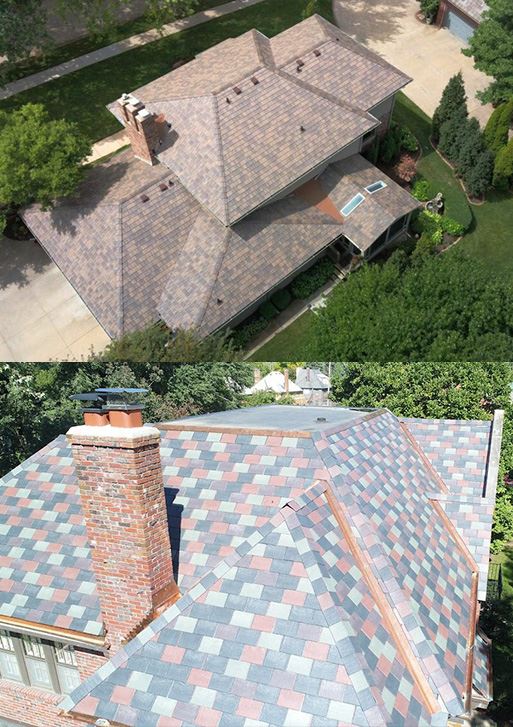
Roof and Gutter Work After an Insurance Event
Once you understand your coverage, you still need a solid plan to restore your property. Some situations call for targeted repairs, while others make roof replacement the more practical choice.
Storm-Related Roof Repairs and Replacement
Repairs may involve replacing damaged shingles, addressing leaks, correcting flashing issues, or improving ventilation. When damage affects large sections of the roof or compromises overall performance, replacement often provides better long-term value. We explain each option so you can weigh cost, durability, and future maintenance.
Coordinated Roofing and Gutter Services
Storms often damage gutters and downspouts along with the roof. Because we handle both roofing and gutter work, we can address everything as part of one coordinated project. This approach simplifies scheduling and helps the entire drainage system work together properly.
We follow manufacturer guidelines and industry standards on every project. Our partnerships with trusted roofing brands allow us to recommend materials that fit Omaha conditions and your property’s needs.


A member of our team will be in touch shortly to confirm your contact details or address questions you may have.
FAQs About Roofing Insurance Claims in Omaha, NE
1. Should I contact a roofer before calling my insurance company?
Many homeowners find it helpful to speak with a roofer early so they understand what the storm may have done to their roof. You can also notify your insurer right away and schedule an inspection shortly after. The key is having accurate information when coverage discussions begin.
2. How does a professional inspection help with my claim?
A professional inspection provides detailed insight into roof conditions after a storm. We document damage, explain what appears storm related, and help you understand how that damage affects performance. This information supports clearer conversations with your insurance company.
3. What happens if my insurer recommends repairs instead of replacement?
If an insurer suggests repairs, we review the condition of the roof with you and explain whether the damage appears localized or widespread. We discuss how repairs or replacement may affect longevity and reliability so you can make an informed decision.
4. Can you inspect both the roof and gutters?
Yes. Storms often damage roofing and gutter systems together. We inspect both so we can provide a complete picture of how water moves off your roof and away from the structure.
5. Do I need to be present during the inspection?
While it is not required, many homeowners prefer to be present so they can ask questions and point out concerns. Being there allows for real-time explanations and clearer communication.
6. How long does roofing work usually take once approved?
Most roofing projects take one to several days, depending on size and complexity. We discuss timelines in advance and plan work around realistic weather conditions in Omaha.
7. Will you explain your estimate line by line?
Yes. We walk through our written estimate so you understand the scope, materials, and pricing. Many clients find this helpful when comparing the estimate with insurance documents.
8. Can storm damage shorten the life of my roof even without leaks?
Yes. Hail and wind can damage shingles in ways that reduce their protective ability over time. Even without immediate leaks, this type of damage can affect long-term performance.
9. Do you handle small commercial properties as well?
Yes. We work with homeowners and small commercial property owners who need clear assessments and reliable roofing and gutter services after storms.
10. What should I do if I notice new damage months after a storm?
Contact a roofing professional to inspect the roof and document current conditions. Some storm-related issues become more visible over time, especially after additional weather exposure.
Need roofing insurance claims in Omaha? Call us at (402) 518-5456 or send us a message online today!

Our Credentials





Omaha, NE 68130 Map & Directions